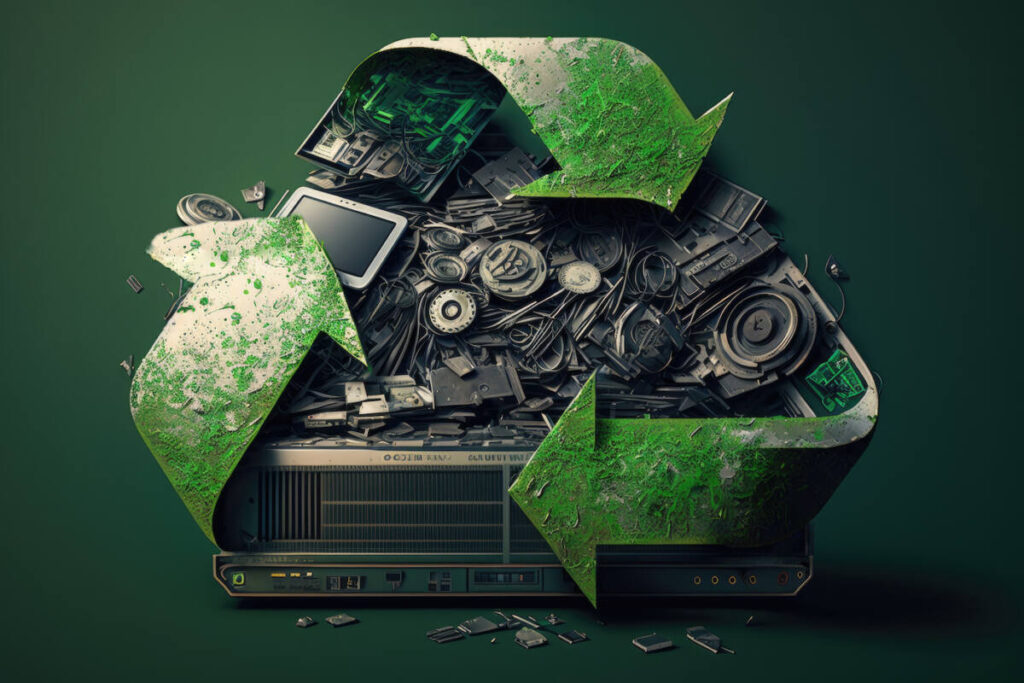
In today’s digital age, electronic devices are an integral part of our daily lives. However, as technology advances rapidly, the lifespan of these gadgets becomes shorter, leading to an increasing amount of electronic waste (e-waste). Properly recycling electronics is essential for several reasons:
- Environmental Protection: Electronics contain hazardous materials such as lead, mercury, and cadmium, which can harm the environment if not disposed of properly. Recycling ensures these toxic substances are safely managed.
- Resource Conservation: Electronic devices are made from valuable materials like gold, silver, copper, and rare earth metals. Recycling helps recover these materials, reducing the need for mining and preserving natural resources.
- Energy Savings: Recycling old electronics saves energy compared to producing new devices from raw materials. This reduction in energy consumption helps combat climate change.
- Legal Compliance: Many regions have regulations governing the disposal of electronic waste. Recycling helps individuals and businesses comply with these laws and avoid potential fines.
What Can Be Recycled?
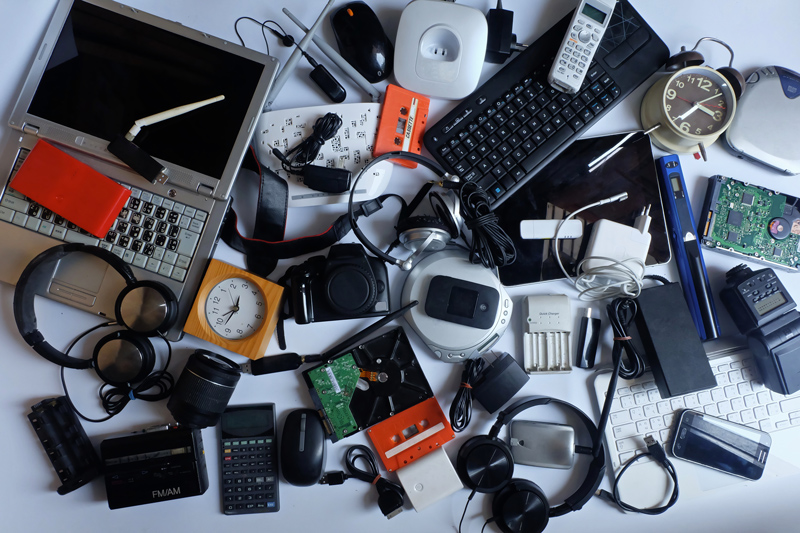
A wide range of electronic devices can be recycled, including but not limited to:
- Computers and Laptops: Desktops, laptops, and their peripherals like keyboards, mice, and monitors.
- Mobile Phones and Tablets: Smartphones, tablets, and their accessories.
- Home Appliances: Small appliances such as microwaves, toasters, and coffee makers.
- Entertainment Devices: Televisions, DVD players, gaming consoles, and audio equipment.
- Office Equipment: Printers, scanners, fax machines, and photocopiers.
- Batteries: Rechargeable and non-rechargeable batteries from various electronic devices.